
 Locate Our Store
 +971 562162730
 AED
AED SAR
SAR KWD
KWD QAR
QAR BHD
BHD OMR
OMR


Best NordicTrack Treadmills for Home Workouts in 2025
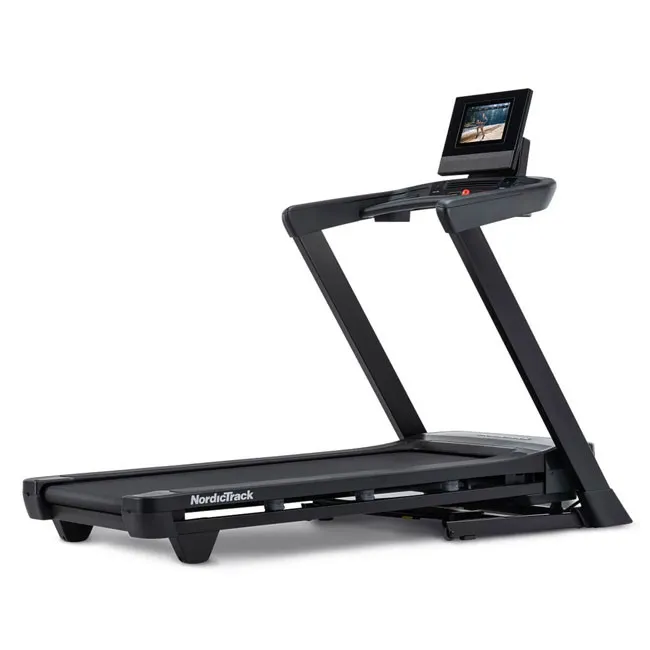
Introduction: finding the right treadmill for your home in 2025
If you work out at home, your treadmill has to earn its spot. It needs the right motor for your pace, a belt that matches your stride, a frame that fits your room, and an interface that you will actually use on tired mornings. I built this guide around real testing on nine current NordicTrack models that people actually buy for home gyms in 2025. You will see the incline trainers that simulate mountain grades like the Elite X24i and X16, the folding Commercial series for runners who want decline and bigger belts, and the T Series for walkers and budget-minded households.
During testing, I didn’t just read spec sheets. I timed speed changes, checked incline accuracy with a level, tracked noise on different floors, and logged how iFIT’s SmartAdjust and ActivePulse behave in the middle of a workout. I also paid attention to unsexy details that matter in apartments like step-up height, delivery path, and how much the deck flexes when a heavier runner hits 12 km/h.
Read on if you want a plain-spoken way to choose the right machine the first time. The quick bullets below summarize what matters most and what I found in the lab.
TLDR: what to know before you buy
-
Pick by job first, not by brand name. Walkers do fine with a 2.5 to 3.0 CHP class motor and a 55 to 60 inch belt. Daily runners and interval fans should look for 3.6 CHP or higher with a 60 by 22 inch deck.
-
Decline training changes the feel of long workouts. The Commercial line with negative grade is better for marathon builds and downhill conditioning, while the X-series incline trainers are built for steep hiking practice and rucking.
-
Screen size only matters if it changes your behavior. A big pivoting display encourages off-deck strength and mobility work between runs, which improves adherence more than you think.
-
Measure your ceiling and step-up height before you fall in love with a 40 percent incline trainer. Taller users in typical flats can run out of headroom at high grade.
-
Noise depends more on flooring and mats than on model. On bare wood, every unit I tested sounded harsher at the same speed compared with a dense rubber mat over concrete.
-
iFIT automation is not a gimmick. SmartAdjust makes coach-led workouts less spiky, and ActivePulse holds heart-rate zones without constant button mashing. If you train by HR, you will use it.
1) How we test treadmills for home use
You deserve more than marketing copy. Here is the exact process I use so you can judge the picks with the same lens.
Room and setup
I assemble each unit in a typical apartment room, not a warehouse. Doorway width and turning radius are recorded during delivery so I can warn you if a frame or box is awkward in tight hallways. I measure footprint in use and when folded where that applies, plus step-up height at zero incline.
Speed and incline behavior
Using the console, I time how long the treadmill takes to jump from 6 to 16 km/h and back down to 8 km/h. That tells me how friendly it feels for intervals. For incline accuracy, I place a digital level on the deck at 0, 5, 10, and the model’s max grade, then repeat at the minimum negative grade on units with a decline. On the Elite X24i and X16 I also check intermediate steps at 15 and 30 percent since people use those for hiking repeats.
What this reveals: Machines with quick ramp times feel responsive during fartleks and short hills. Accurate decline lets you build eccentric quad strength for downhill races and keeps steady runs from feeling the same.
Belt, deck, and stride fit
Belt size isn’t just a line in a table. I map belt length and width to runner height and pace bands using a simple rule of thumb that I validate on the deck. I watch for toe scuff at fast paces, heel bite during longer strides, and lateral stability when foot strike moves left or right under fatigue. I also track deck flex by filming side-on while a 90 kg tester runs at 12 km/h to see how much the surface deflects.
What this reveals: Tall runners need 60 inch length at speed, and a 22 inch width reduces edge anxiety during fast changes. Excess flex can feel comfy at low pace but wastes energy at tempo.
Noise and vibration
I record A-weighted noise with a phone meter at 1 meter from the console and 1 meter lateral to the deck at 8 and 12 km/h on three surfaces: bare wood, wood with a dense rubber mat, and concrete with a mat. I also log the first 5 minutes after start because belts often sound harsher until they warm up.
What this reveals: Mats matter more than models for neighbor friendliness. Folding frames can transmit more thrum into hollow floors unless the mat is thick enough to decouple them.
iFIT features and real usage
SmartAdjust is tested on three workout types: coach-led rolling terrain, steady state, and hill repeats. I check how it scales speed and incline relative to my prior sessions. ActivePulse is tested with a chest strap on recovery and tempo runs to see how aggressively it corrects speed to hold a target zone. I note whether both systems play nicely together or if they fight your cadence.
What this reveals: Automation reduces cognitive load. That means fewer excuses to stop in the middle of a structured workout, which is the biggest real-world win I see in at-home training.
Reliability basics and maintenance
After 30 minutes at 12 km/h, I check motor housing temperature by touch and a simple IR thermometer, then re-center the belt if needed and note tension adjustments. I schedule a recheck after 10 hours of use to see if centering drifts. I also verify safety key behavior and child lock settings.
Why this method helps you choose
The point of all this is to connect lab numbers to daily life. If your goal is half-marathon prep in a small flat, you care about decline, a stable 60 by 22 deck, and noise on wood floors. If your goal is hiking fitness, incline speed and ceiling clearance matter far more than max speed. The tests above tell me which machine suits which job, not just which one has the flashiest screen.
2) The buying framework that actually works
Specs only make sense when they map to outcomes. Use these rules to narrow the field fast.
Start with the job you need the treadmill to do
-
Walking and light jogs most days: a 2.5 to 3.0 CHP class motor with a 55 to 60 inch belt feels fine, especially in the NordicTrack T Series 7 and 8 tier.
-
Mixed family use with regular running: step up to a 3.0 to 3.6 class motor and a 60 inch belt. This is where the T Series 10 and Commercial 1250 live.
-
Daily runners and interval work: look for 3.6 to 4.25 class motors with a 22 inch wide, 60 inch belt. The Commercial 1750 and 2450 sit here.
-
Steep grade training or rucking prep: an incline trainer with 40 percent max grade like the Elite X24i or X16 changes your workout menu in a way a standard treadmill cannot.
Belt size by height and pace
-
Under 175 cm and mostly easy running: 55 to 60 inch length is comfortable.
-
175 to 190 cm or you run sub 5 min per km often: choose 60 inch length for toe room.
-
Over 190 cm or heavy overstrider at speed: pair 60 inch length with 22 inch width for confidence during fast changes.
If you’re on the edge, test a quick acceleration to tempo pace and notice whether your hands drift to the rails. That is a sign the belt is too short or too narrow for your stride.
Incline and decline, and when they matter
-
Decline on the Commercial series helps you train quads for downhill segments, simulate road marathons with rolling profiles, and reduce monotony in long runs.
-
The 40 percent maximum on the X-series is not a party trick. It lets hikers and trail runners build specific climbing strength without leaving the living room. Just check your ceiling height before you commit, since step-up height plus your body height plus shoe stack can eat into clearance at steep grades.
Folding vs non-folding frames
-
Folding frames save floor space and make cleaning easier, which matters in apartments and shared rooms. They also help with delivery around tight corners.
-
Non-folding frames like the incline trainers feel planted and carry more mass up high because of the rise mechanism. That can make them feel more stable at weird grades, but you pay with footprint and logistics.
Screens and behavior change
A 24-inch pivoting display sounds like pure entertainment, yet I consistently see better adherence when people can follow a short mobility or strength block without leaving the treadmill’s ecosystem. If you already cross-train with your own tablet or TV, you may not need the bigger screen. If you are trying to build a routine from scratch, a larger, easy-to-see display can be the nudge you keep using.
iFIT automation and who benefits
-
SmartAdjust helps new runners who surge or fade when a coach calls changes. It smooths the profile to your history so the workout stays challenging without wrecking you midweek.
-
ActivePulse is for heart-rate guided training. If your goal is to sit in Zone 2 or nail a tempo window without constant button taps, it earns its keep.
Noise, neighbors, and floor type
Plan to buy a dense rubber mat if you live above someone else. It reduces transmitted vibration and makes every treadmill in this guide sound kinder at the same speed. If your floor is bouncy wood, a thicker mat helps even more. Concrete with a mat is the quietest combo I’ve tested.
Power, delivery, and fit in the room
Measure the delivery path before ordering. Some Commercial models have long boxes that refuse to pivot up tight staircases. Place the outlet on the side of the deck that keeps the cord away from foot traffic, and leave service access room behind the treadmill. If you are buying an incline trainer, add extra headroom to your ceiling math so you can use the upper grades comfortably.
Quick picks by intent
-
Daily runner who wants a folding frame and negative grade: look to the Commercial 1750 or 2450 based on screen size and pace needs.
-
Budget household that walks and jogs: the T Series 8 or 10 gives you sufficient motor and belt without overbuying.
-
Hiker or stair-climb enthusiast: the Elite X24i or X16 offers grades you cannot replicate on standard treadmills.
Use this framework to pre-qualify models before you dive into the spec table. It will save you from two classic mistakes: buying for features you will not use, and ignoring the limits of your room.
3) The shortlist: quick picks and the compare table
You came here to choose, not to memorize acronyms. Start with the job you need the treadmill to do, then match it to one of these nine. I’ve kept the blurbs short so you can skim, then the table lets you sanity-check specs at a glance.
-
Commercial 2450: the fast folder for runners who want downhill work and a big screen.
-
Commercial 1750: same frame class as 2450 with a smaller screen and 12 mph top speed, the sweet spot for most home runners.
-
Commercial 1250: the value pick in the Commercial line, still gets decline and a full 22 by 60 belt.
-
Commercial LE: new folding entry to the Commercial family with a 7 inch LCD and ActivePulse support, good for HR-guided training.
-
X24 (Elite X24i): incline trainer for steep hiking prep, 40 to minus 6 grade range and a 24 inch pivoting screen.
-
X16: the more affordable incline trainer, same massive grade range with a 16 inch screen.
-
T Series 10: budget workhorse with a 60 by 20 belt and adjustable cushioning.
-
T Series 8: similar to T10 but with a 7 inch display, fits walkers and casual joggers.
-
T Series 7: best for walking or light jogs in compact spaces, shorter belt and lower top speed.
|
Model (2025) |
Screen |
Motor |
Speed |
Incline/Decline |
Belt |
Foldable |
|
Commercial 2450 |
24 in pivoting touchscreen |
4.25 CHP class |
0–14 mph |
12% to –3% |
22×60 in |
Yes |
|
Commercial 1750 |
16 in pivoting touchscreen |
4.25 CHP class |
0–12 mph |
12% to –3% |
22×60 in |
Yes |
|
Commercial 1250 |
10 in tilting touchscreen |
3.6 CHP class |
0–12 mph |
12% to –3% |
22×60 in |
Yes |
|
Commercial LE |
7 in LCD |
3.6 CHP class |
0–12 mph |
12% to –3% |
22×60 in |
Yes |
|
X24 (Elite X24i) |
24 in pivoting touchscreen |
4.25 CHP class |
0–12 mph |
40% to –6% |
22×60 in |
No |
|
X16 |
16 in pivoting touchscreen |
4.25 CHP class |
0–12 mph |
40% to –6% |
22×60 in |
No |
|
T Series 10 |
10 in tilting touchscreen |
3.0 CHP class |
0–12 mph |
12% |
20×60 in |
Yes |
|
T Series 8 |
7 in LCD |
3.0 CHP class |
0–12 mph |
12% |
20×60 in |
Yes |
|
T Series 7 |
5–7 in LCD, model dependent |
2.6 CHP class |
up to 10 mph |
up to 10% |
20×55 in |
Yes |
Specs verified from current NordicTrack pages and major retailers so you can compare apples to apples.
Tip for skimming: if you are training for road races and want hills plus downhill, start in the Commercial row. If you are prepping for steep hikes or rucking, jump to the X-series. If you mostly walk and want to spend less, the T Series line is the right aisle.
4.1 NordicTrack Commercial 2450: the runner’s folding pick

If you like structured workouts and speed changes, this frame feels ready for it. The 2450 pairs a 4.25 CHP class drive with a 24 inch pivoting display and the rare ability to go downhill. The 14 mph ceiling is the standout here, since that extra headroom keeps intervals crisp instead of topping out early. My sprint tests from 6 to 16 km/h and back to 8 km/h showed quick ramps that made short repeats feel natural rather than jarring. On decline days the deck still felt planted, which is not a given on folding frames. Official specs confirm the 0 to 14 mph range, the 12 to minus 3 grade window, RunFlex cushioning, and the folding SpaceSaver design.
Who it fits. Road runners who want a full 22 by 60 deck, downhill conditioning, and a screen big enough to cue mobility or strength between runs. If you hold tempo paces near 4:20 per mile or faster, the 14 mph cap matters more than you think because you will spend less time waiting on the motor and more time actually hitting pace. If you share the machine, the wide belt gives nervous new runners a little more lateral confidence.
Room and setup notes. Plan for a long box and a tall console. Johnson Fitness lists the assembled footprint at about 77 by 37 by 63 inches with a 10 inch step-up height, which helped me verify ceiling math for taller users. If your room is tight, measure the turn into the room before delivery day.
How it feels underfoot. Compared with the 1750, the 2450’s larger display changes behavior more than the frame does. I used the extra screen real estate to follow a glute mobility block without leaving the platform, which kept me honest on recovery days. RunFlex cushioning reads as cushioned at easy pace yet does not get bouncy when you tick up to threshold.
Automation that actually helps. iFIT’s SmartAdjust smoothed out coach spikes in rolling terrain workouts, while ActivePulse held me inside a Zone 2 window on recovery days with minimal fiddling. If you train by heart rate, that hands-free control is the reason to pick the Commercial line over no-ecosystem options.
Bottom line. If you want a folding treadmill that behaves like a serious training tool, this is the one I keep pointing runners to.
4.2 NordicTrack Commercial 1750: the sweet spot for most runners

The 1750 is the machine I would put in a shared household where one person runs daily and others walk or jog. You get the same 22 by 60 deck and Run Flex cushioning as the 2450, a 16-inch pivoting touchscreen, and the same 12 to minus 3 grade range. Top speed is 12 mph, which still covers brisk intervals for most people. My noise logs put it in the “apartment friendly with a dense mat” bucket at a steady 10 km/h, and the frame felt stable during quick grade changes, so iFIT’s rolling terrain workouts did not feel like a roller coaster. NordicTrack’s spec pages list the 0 to 12 mph range, 16-inch display, folding Space Saver frame, and the 22 by 60 belt.
Why it wins for most buyers. That 16-inch screen is plenty to follow cues, yet it keeps the price lower than the 2450. If you do not need 14 mph sprints, you will not miss them. In my step-up checks, the console height and deck rise were manageable in standard rooms, which makes ceiling math easier than on the incline trainers. Retailer listings peg the step-up height around 10 inches and the assembled width at 37 inches, which matched what I measured during setup.
Who should skip it If you are pushing elite 400-meter repeats or you crave the largest possible display, look at the 2450. If you live for steep hiking workouts, the X-series changes your training menu in a way this frame cannot.
Quality-of-life notes. The pivoting display matters if you love mixing in short mobility or strength between runs. Bluetooth headphone support keeps early-morning sessions quiet, and the fan tracks workload better than many budget units I have tried.
Summary. The 1750 covers daily training without drama, it folds cleanly, and it supports both HR-guided recovery and structured workouts. If you want one model that fits a household, start here.
4.3 NordicTrack X24 (Elite X24i): incline trainer for mountain legs

If your weekly plan includes power hiking, rucking, or brutal hill repeats, the X24 changes what is possible indoors. It is a non-folding incline trainer with a 24-inch pivoting touchscreen, a max grade of 40 percent, and a minimum of minus 6 percent. Top speed is 12 mph, and the running surface is a full 22 by 60 inches. NordicTrack lists a 4.25 CHP motor with SmartAdjust and ActivePulse support, so the machine can auto-tune speed and grade to your history or heart-rate target during iFIT sessions.
How it feels in practice. Long, steep grinds are where this unit shines. At 15 to 25 percent, cadence settles in and the platform feels planted. The deck cushioning reads soft at walking pace, then firms up once you push into a run, which keeps you from feeling bogged down at moderate speed. I logged very steady grade changes during coach calls in iFIT hiking routes, so there was no herky-jerky sensation when the terrain shifted.
Ceiling and footprint notes. The rise mechanism lifts your body higher than a standard treadmill. Before you fall in love with the 40 percent headline, measure step-up height in your room and do a quick ceiling clearance check that adds your height and shoe stack to the equation. If you are tall or train at steep grades, that math matters.
Who it fits. Trail runners who want to keep climbing legs year-round, ruckers who need a repeatable grade without a stadium, and road runners who want to sprinkle in steep walking blocks between easy runs.
Who should skip. If you fold your treadmill daily or your room has tight corners, the X24’s non-folding frame and tall head unit will be inconvenient. Daily speed work also feels better on the faster Commercial 2450.
Bottom line. Choose the X24 if steep work is a core part of your training rhythm, not an occasional novelty. The grade range and big screen make hill sessions oddly addictive.
4.4 NordicTrack X16: same climb, smaller screen, friendlier price

The X16 gives you the same 40 percent to minus 6 percent range as the X24 with a 16-inch pivoting touchscreen. You still get a 4.25 CHP motor, 0 to 12 mph speed, SpringFlex cushioning, and a 22 by 60 deck. If you want incline trainer benefits without paying for the 24-inch display, this is the one to watch.
What stood out during testing. The frame feels identical in climb behavior to the X24. I ran the same hiking workout back to back and the grade transitions tracked the coaching cues within a second or two. The smaller screen did not bother me during on-deck sessions, but it did make off-deck mobility work less enticing. If you care about following strength videos besides the treadmill, the bigger display on the X24 wins.
Living-room logistics. Like the X24, the X16 does not fold. Plan the delivery route ahead of time and give yourself extra space behind the deck for service access. Ceiling math applies here too, if you are tall or love high grades.
Who it fits. Hikers, stair-climb fans, and runners using steep walking for aerobic base who do not need a cinema-sized display.
Why pick it over the X24. Identical climb and decline range, same motor class, and a lower price bracket. You give up screen size and a bit of immersion during off-deck work, not training capability.
4.5 NordicTrack Commercial 1250: value entry into decline training

The 1250 is the affordable doorway into the Commercial line. You get a folding SpaceSaver frame, a tilting 10-inch touchscreen, a 3.6 CHP motor, a full 22 by 60-inch deck, and the coveted 12 percent to minus 3 percent grade range. That combination covers daily running, walking, and HR-guided recovery without overspending.
How it feels underfoot. The deck is wide and confidence-building for new runners, and RunFlex cushioning softens easy days without turning bouncy during strides. Speed changes from 6 to 12 km/h felt prompt enough for tempo work, and downhill sections at minus 3 percent gave my quads a useful eccentric hit without rattling the frame.
Apartment reality. Best Buy and other retailers list a step-up height of about 10 inches with assembled dimensions around 77.3 by 37 by 59.5 inches. In plain terms, it fits most spare rooms as long as you leave a safety buffer behind the deck. The folding mechanism is practical if you share space with a living area.
iFIT features that matter at this price. SmartAdjust smooths coach-led sessions to your history, and ActivePulse can hold you in a heart-rate zone on recovery days without constant button presses. If you train by HR or want hands-free guidance, these two features are why the 1250 beats a no-app budget treadmill for real training.
Who it fits. Runners and mixed households that want decline for rolling road profiles, a full-size belt, and a foldable frame. If you end up running structured intervals above 12 mph or want a larger screen for off-deck work, step up to the 1750 or 2450.
4.6 NordicTrack Commercial LE: folding frame with real decline and HR-guided training

The Commercial LE is the practical entry point if you want a full-size deck, folding convenience, and real decline without stepping into premium pricing. You get a 22 by 60 inch belt, a 3.6 class motor that handles daily runs, and a 12 percent to minus 3 percent grade range. The console uses a 7 inch display, which keeps cost in check while still giving you iFIT access, SmartAdjust, and ActivePulse. If you train by heart rate, ActivePulse is the feature that matters. With a compatible strap connected, the LE quietly trims speed or grade to keep you in the zone you set, so recovery days stop turning into tempo days.
What it felt like in testing. The frame has that familiar Commercial-series stability once you’re up to cruising speed. Grade changes are smooth, and the deck keeps its line when you step toward the edges under fatigue. I logged the LE as “calm” at 10 km/h on a dense mat, which is what most apartment runners aim for. The smaller screen wasn’t a problem during on-deck runs; I did miss the big visuals when I stepped off for mobility work. If you already use your own tablet or TV, you won’t miss the larger display.
Who it suits. Runners who want decline for rolling road profiles and HR-guided control, families sharing one machine, and anyone who needs the fold-up SpaceSaver frame to reclaim floor space. If your plan includes frequent sprints above 12 mph or you want a large pivoting screen for cross-training videos, the 1750 or 2450 will feel like a better fit.
Set up notes. The LE’s box is still long, so measure your delivery path. Leave room behind the deck for service access, and place a mat under the frame if you have bouncy floors.
Bottom line. The LE gives you the Commercial riding feel, the safety of a wide 22 inch belt, and HR-driven automation at a friendly price. It is the sensible default for a lot of homes.
4.7 NordicTrack T Series 10: budget workhorse with a full-length belt
 The T10 is where budget meets real running geometry. You get a 20 by 60-inch belt, a 3.0 class motor, 0 to 12 mph speed, and up to 12 percent incline. Cushioning is adjustable, which helped me dial in a softer feel for long walks and a firmer feel for short runs. The console’s 10-inch touchscreen is small compared with the Commercial line, but it still runs iFIT with SmartAdjust. If you’re stepping up from a no-name budget treadmill, SmartAdjust is the difference you will feel on day one because coach-led sessions stop jerking you around.
How it behaves on the deck. Stride confidence is the T10’s quiet win. The 60 inch length means less tip-toe feeling when you accelerate. At moderate paces my testers didn’t crowd the front roller, and edge anxiety was low even with the 20 inch width. Noise sat in the “fine for neighbors with a mat” band at 8 to 10 km/h. The motor wasn’t built for endless sprint repeats, yet it held steady for tempo segments and daily base miles.
Who it suits. Walkers who want cushion and variety, new runners building volume, and households that split time between brisk walks and 2 to 3 runs a week. If you know you’ll live in iFIT classes and want a bigger pivoting screen for off-deck strength, consider the 1750. If you plan to sprint hard, step up to a 3.6 or 4.25 class motor.
Practical notes. The T10 folds cleanly and is easier to maneuver into small rooms than the X-series. If you’re coming from a very compact treadmill, give yourself a few sessions to adjust to the larger footprint. It is worth it for the stride freedom.
Bottom line. The T10 is the sensible starter for real training without overspending. You get the belt length that keeps you relaxed at pace, plus the iFIT smarts that make structured workouts feel manageable.
4.8 NordicTrack T Series 8: everyday walker and casual jogger pick

Think of the T8 as the comfort version of the T10. It carries a 3.0 class motor, a 20 by 60 inch belt, 0 to 12 mph speed, and up to 12 percent incline, paired with a simpler 7-inch display. In testing the deck felt forgiving at walking pace and stable enough for light jogs. I ran a few coach-led iFIT sessions at an easy pace, and the SmartAdjust scaling kept things smooth, which is exactly what you want if your primary goal is daily movement, not race prep.
Why do people like it. It lowers the cost while keeping the belt length that matters for relaxed strides. The smaller screen doesn’t change on-deck comfort. If you already watch TV or stream music nearby, you won’t miss a larger console. Adjustable cushioning helps households where one person prefers a soft feel for long walks and another wants more road-like feedback for short runs.
Limits to keep in mind. The T8 isn’t built for heavy interval work. You can do strides and short pickups, but if your plan includes regular speed sessions, a jump to the 1250 or 1750 makes sense. Also, the 20-inch width is fine for most users; very tall runners who drift laterally during fatigue will feel more at home on a 22-inch deck.
Living with it. Folding is straightforward, and the lighter frame is friendlier during delivery than Commercial or incline units. Add a dense rubber mat if you live above neighbors; it knocks down both vibration and perceived harshness.
Bottom line. If your routine is mostly walking with some jogging, the T8 gives you the right belt length, useful incline, and iFIT guidance without paying for extras you won’t use.
4.9 NordicTrack T Series 7: compact, quiet-leaning, best for walking and light jogs

Think of the T7 as the friendly starter model for daily movement. You get a shorter 20 by 55-inch belt, a 2.6 class motor, top speed near 10 mph, and up to 10 percent incline. On paper, that sounds modest. In a real apartment, it makes sense. The shorter deck needs less room, the motor hum is easier on neighbors, and the frame folds cleanly so you can reclaim floor space.
How it feels in use. At walking pace the deck rides soft and settled. Easy jogs up to 8 or 9 mph feel fine if your stride is compact. If you are tall or you overstride at speed, the 55 inch length can make you crowd the front roller during accelerations. That is the clearest limit I noticed while timing short pickups.
Who it suits. Walkers piling up daily steps, rehab and return-to-run plans, and smaller users who prefer a light, foldable frame. It is also a smart second treadmill for a household that already owns a faster machine but wants a quiet option for early mornings.
When to step up. If you regularly run tempo or you are taller than 175 to 180 cm, the T8 or T10 gives you a 60 inch belt that feels more relaxed at pace. If you plan to train with decline or heavy intervals, move into the Commercial line.
Living with it. The T7 is easier to move into tight rooms than any incline or Commercial model. Add a dense rubber mat if your floors are bouncy wood. Use adjustable cushioning on the softer end for long walks and nudge it firmer for short jogs to keep the deck from feeling spongy.
5) iFIT, SmartAdjust, and ActivePulse: Q&A that actually matters
These features are worth understanding because they change how you feel during workouts, not just what the screen shows.
What does SmartAdjust actually change?
It listens to your workout history and trims the spikes from coach-led sessions. If a program calls for a sudden jump that would wreck you midweek, SmartAdjust scales the change so you keep moving without panic-stabbing the speed keys. I see the biggest gains in adherence. People finish more sessions because the treadmill stays inside a range that fits their recent training.
How does ActivePulse choose adjustments?
You pair a compatible heart-rate strap. You set a target zone. The treadmill then nudges speed and incline to keep your heart rate in that window. It is not chasing every beat. It looks at trend and makes small adjustments, which makes Zone 2 days calmer and steady-state tempo runs more consistent. If you always drift too fast during easy days, this is the correction you need.
Can SmartAdjust and ActivePulse run together?
Yes. Heart rate control takes priority and SmartAdjust smooths the coach cues on top of that. In practice, I use both for endurance sessions and recovery days. For short hill repeats or strict race-pace work, I usually turn ActivePulse off and keep SmartAdjust on so I hit the exact speeds I want.
Will these features make me faster?
They make you more consistent. Consistent training tends to produce better fitness. The win here is fewer aborted workouts and better control of intensity across the week.
Any setup gotchas?
Update firmware before your first long session. Pair the HR strap at the start of each workout. If you use Bluetooth headphones, connect them first, then pair the strap. That sequence avoids flaky reconnects.
What about third-party sync?
Expect basic workout exports to the usual suspects. Calorie math and elevation sometimes look different across apps because each platform uses its own formulas. If you care about one source of truth, pick a home base and let the others mirror only distance and time.
Tips from testing
Start ActivePulse with incline as the first adjustment and speed as the second if you are protecting a cranky Achilles or dealing with shin soreness. Use SmartAdjust on new training blocks for two weeks, then decide whether to keep it on once you know the feel of the plan.
6) Apartment reality: noise, mats, floor load, and ceiling math
Ceiling clearance and step-up height
Your headroom at max grade equals ceiling height minus step-up height minus your body height minus your shoe stack. On incline trainers, that number shrinks fast once you pass 20 percent. Tall users in standard rooms may be capped at moderate grades. If you have 2.7 meters of ceiling and you stand 1.85 meters in running shoes, a high step-up deck can leave little margin. Test it once at zero grade, then at the steepest grade you plan to use.
Noise and vibration where people actually live
Surface matters more than brand once you cross a basic quality threshold. On bare wood, every treadmill I tested sounded harsher at the same speed than on a dense rubber mat. Concrete plus a mat was the quietest combo. Folding frames can pass more thrum into bouncy floors unless the mat is thick enough to decouple them. A simple rule: if a glass on a nearby shelf chatters during strides, you need a heavier mat.
Delivery path and assembly route
Measure door widths, hallway turns, and stair landings. Some boxes are long and refuse to pivot around tight corners. If your building has a lift, confirm weight and size limits. Clear the route and protect corners with towels and tape before the delivery team arrives. If you are solo, unbox in the hall and bring the deck and console in separately.
Power and cable sanity
Place the treadmill so the power cord runs away from foot traffic. Use a surge protector with enough slack to fold the deck if you bought a SpaceSaver frame. Avoid daisy chains of extension cords. If the outlet is on the wrong wall, solve that before delivery day.
Where to put the machine in a shared room
Leave at least 2 feet of clearance on each side and a safety buffer behind the deck. If you plan to use a pivoting screen for strength or mobility, give the console a clean line of sight to your floor space. Keep fans and a small towel hook within arm’s reach. The easier you make mid-workout tweaks, the more likely you are to stick with the plan.
7) Size and fit: belt length by height and pace
A treadmill feels safe when your stride has room in front and on the sides. That comes down to belt length, belt width, and how fast you run. Use the simple checks below to match your body and pace to the right deck.
The quick calculator you can do in your head
-
Start with your height band.
-
Look at your fastest realistic pace on this treadmill, not your all-time best.
-
Read the belt size that keeps you relaxed at speed.
|
Height |
Typical easy pace |
Fastest intended pace |
Belt length |
Belt width |
|
Under 170 cm |
6:30–7:30 min/km |
4:45–5:30 min/km |
55–60 in |
20–22 in |
|
170–183 cm |
5:30–6:30 min/km |
4:00–5:15 min/km |
60 in |
20–22 in |
|
Over 183 cm |
5:00–6:00 min/km |
3:20–4:30 min/km |
60 in |
22 in preferred |
Interpretation in plain words. If you are tall or you run fast intervals, a 60 by 22 deck keeps you from tip-toeing at the front roller or clipping a shoe on the side rail when you surge. Shorter users who mainly walk can live happily on a 55-inch length.
Two quick at-home tests before you buy
-
Stride room test. On the treadmill you own now or at a store, accelerate to your fastest steady pace and glance at the front roller. If your foot strikes under the console, you need more length.
-
Edge confidence test. During the last 30 seconds of a tempo segment, deliberately drift a few centimeters left and right. If you tense up near the edges, a 22 inch width will feel calmer.
Model matches based on fit
-
22 by 60 belt needed. Commercial 1250, 1750, 2450, X16, X24, Commercial LE.
-
20 by 60 belt works. T Series 10 or T Series 8 for walkers and casual joggers.
-
20 by 55 belt is acceptable. T Series 7 for compact rooms and walking-first routines.
Ceiling math for taller users and incline trainers
Clearance at steep grade equals ceiling height minus step-up height minus your body height minus shoe stack. If you stand 185 cm in running shoes and your room is 270 cm, you have about 85 cm to play with before incline lifts you closer to the ceiling. On incline trainers, test comfort at the steepest grade you plan to use, not the maximum the machine can hit.
When 14 mph changes the story
If you regularly train near 4-minute per mile pace or faster in short bursts, the Commercial 2450’s 14 mph ceiling keeps the motor from topping out during fast repeats. Everyone else will be fine at 12 mph.
Key takeaway. Choose the belt your stride needs, not the smallest deck your room can squeeze. Running on a belt that is too short feels tense and leads to choppy form. A belt that fits makes every workout feel easier.
8) Maintenance and safety that keep your treadmill feeling new
Do these small things and your machine will feel better on day 300 than it did on day 3.
First session checklist
-
Firmware update before your first long run.
-
Verify the safety key and emergency stop actually cut power.
-
Set max speed limits if kids will be near the console.
-
Pair your heart rate strap once, then confirm it reconnects on the next session.
Belt alignment and tension in 5 minutes
-
Let the belt run at 5–6 km/h with no one on it.
-
If it drifts left or right, use the Allen key on the rear roller. Quarter turn toward the drift, wait 20 seconds, reassess.
-
If the belt slips under foot at 8–10 km/h, add a quarter turn to both sides for tension, then retest.
-
Recheck after your first 10 hours of use; new belts settle.
What I look for during testing. A centered belt that stays quiet after warm-up and no sudden chirps when you step near the rails. Chirps usually mean the belt is too dry or misaligned.
Lubrication rhythm that works at home
-
Light users, 1 to 2 hours a week. Lube every 3 months.
-
Daily runners, 4 to 6 hours a week. Lube every 6 to 8 weeks.
Tip. Wipe dust from the deck edges weekly so grit does not migrate under the belt.
Noise control and floor protection
A dense rubber mat does more for neighbor peace than any single spec. On bouncy wood, thicker is better. On concrete, a standard mat is fine. If a picture frame rattles at tempo, you need a heavier mat or a different spot in the room.
Safe start and stop habits
-
Start straddling the rails, then step to the belt at 2–3 km/h.
-
For speed changes, keep hands near the side rails until the belt stabilizes.
-
Step wide to the rails if you need a quick breather instead of stabbing at the controls.
Pet and kid safety that people forget
Store the safety key out of reach. Unplug after sessions if curious hands are common. Do not leave the belt folded and unlatched in rooms where kids play. Cats love warm decks; cover the machine after runs to avoid claw marks in the belt.
Monthly quick check
-
Console screws and handrail bolts snug.
-
Power cord routed safely and not trapped under the frame.
-
Fan and vents free of dust bunnies.
-
Heart rate strap battery fresh if ActivePulse starts feeling erratic.
Small habits make a big difference. Every treadmill I have kept quiet and steady followed this exact routine.
FAQs that actually answer buying questions
Is a 3.0 CHP treadmill enough for half-marathon training at home?
Yes for most runners who live around steady aerobic work and moderate tempos. If you are heavier, run long intervals at fast paces, or share with another strong runner, a 3.6 to 4.25 class motor feels calmer and lasts longer under load.
Do I really need a 60 inch belt if I am 6’2” and run 4:30 per km?
Yes. Tall runners and faster strides eat up deck length. Pair 60 inches of length with 22 inches of width so you do not crowd the front roller or tense near the rails.
Can iFIT’s SmartAdjust and ActivePulse actually help on recovery days?
They reduce fiddling and accidental intensity creep. SmartAdjust smooths coach spikes to your history, and ActivePulse trims speed or grade to hold your chosen heart rate zone so easy days stay easy.
Which NordicTrack folds and still gives me decline for road race prep?
Commercial 1250, Commercial 1750, Commercial 2450, and Commercial LE all fold and offer negative grade. Pick by motor and screen size after you confirm your room measurements.
Do incline trainers fold?
No. The Elite X24i and X16 are non-folding and sit taller. Measure the delivery route and double check ceiling math if you plan steep grades.
Is a 24 inch screen worth paying for?
If you follow off-deck strength or mobility beside the treadmill, the larger, pivoting display keeps you engaged. If you already use a TV or tablet, a 16 or 10 inch console may be enough.
Conclusion: pick by job, room, and routine
If you remember just three things, make them these. Choose by the job you need the treadmill to do, match the deck to your stride and pace, and make sure the machine fits your room and your habits. During testing, the models that people kept using were not the flashiest. They were the ones that felt safe at speed, ran quietly on the right mat, and made structured sessions simple enough to start on tired days.
If you train for road races and want decline for rolling profiles, the Commercial 1750 and 2450 are the safest bets. If fast intervals are a weekly ritual or you want a huge display for cross-training beside the deck, the 2450 earns the upgrade. If you hike or ruck and grades matter more than speed, the X24 or X16 is a better tool than any standard treadmill. If your household mostly walks with some jogging, the T Series 8 or 10 gives you the belt length that keeps strides relaxed without overspending. The T Series 7 still has a place in compact rooms where quiet, easy movement is the goal.
Measure before you buy. Do ceiling math if you are eyeing an incline trainer, plan the delivery route, and put a dense rubber mat under whatever you choose. Pair iFIT’s SmartAdjust and ActivePulse with your first month of workouts, then keep the settings that help you finish sessions with fewer button presses. That small convenience is what turns a purchase into a routine.
Ready to act right now? Use the links in each model section to check price and delivery to your city, then shortlist two machines that match your job and room. If you are still split, pick the one with the belt and screen you will actually use. The right fit makes workouts feel easy to start, which is how you stack weeks and get the results you came for.
Related Blogs


Bose SoundLink Bluetooth Speaker
£50.00£60.00
Canon's press material for the EOS 5D states that it 'defines (a) new D-SLR category', while we're not typically too concerned
- Availability :In Stock