
 Locate Our Store
 +971 562162730
 AED
AED SAR
SAR KWD
KWD QAR
QAR BHD
BHD OMR
OMR


Why a Rowing Machine Gives a Full-Body Workout
Introduction
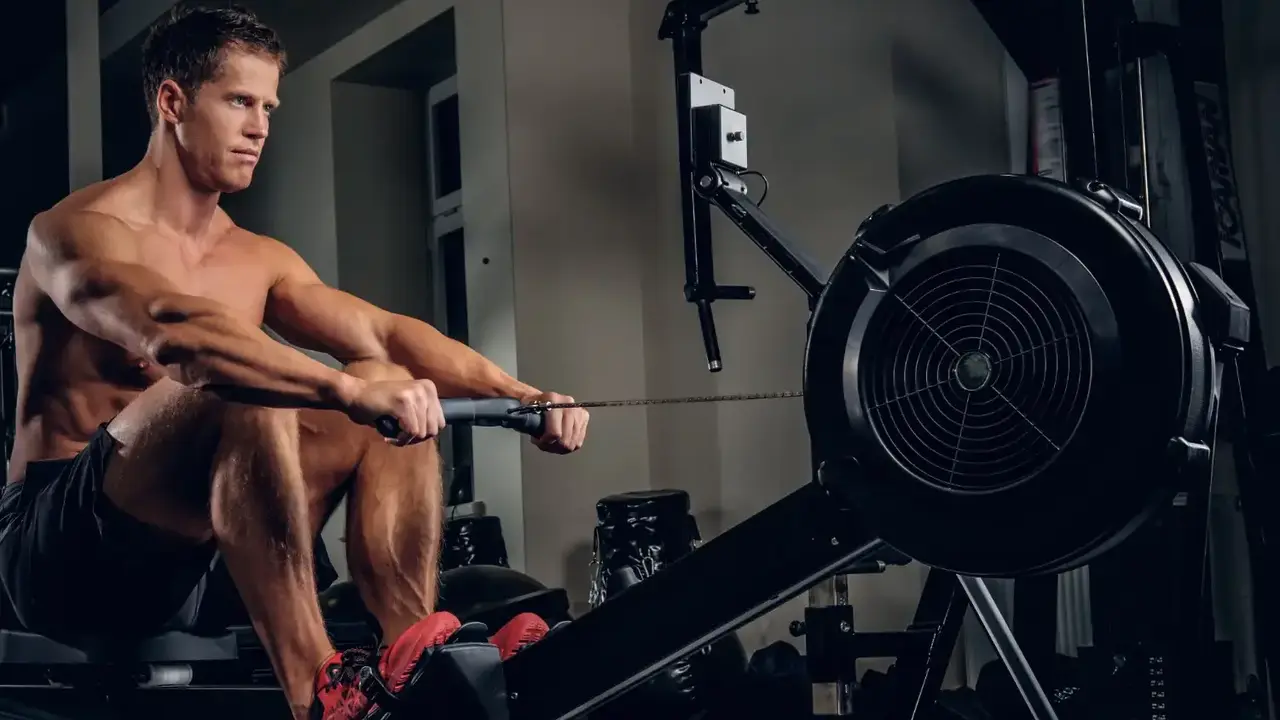
A rowing machine is structured to coordinate major muscle groups through a continuous cycle of leg extension, core stabilization and upper-body pulling. Its movement pattern reflects the biomechanics of water rowing, where power is produced through sequential lower-body, trunk and arm engagement. This sequence allows the machine to distribute mechanical load across the body rather than isolating a single region, creating a training stimulus that blends aerobic activity with muscular endurance.
The machine’s frame, rail, handle, flywheel or resistance chamber, foot platform and seat operate as interconnected components that guide the user through a consistent stroke path. This structure encourages natural joint alignment and reduces impact forces common in upright cardio equipment. The primary entities in this movement chain include the legs, glutes, hips, spine stabilizers, upper back and forearms, each contributing force during different phases of the stroke. The reliance on multi-joint coordination positions rowing as one of the closest approximations to total-body kinetic sequencing within home fitness equipment.
Resistance types influence how the machine behaves during each stroke. Air and water resistance respond directly to stroke power, creating a performance-based feedback loop. Magnetic and hydraulic systems generate steadier, controlled resistance patterns suitable for consistent pacing. These mechanical differences affect training goals, perceived effort and suitability for apartment environments in the UAE, where noise levels and space constraints influence equipment selection.
The full-body nature of the movement allows the machine to support cardiovascular conditioning and muscular endurance simultaneously. Because the stroke relies on broad force distribution, prolonged sessions sustain moderate heart rate elevation without excessive strain on isolated joints. This makes the machine suitable for varied fitness levels, from beginners seeking low-impact cardio to experienced individuals pursuing structured performance training.
The combined influence of mechanical structure, biomechanical sequencing and resistance behavior establishes the rowing machine as an effective full-body training device. Its ability to coordinate multiple muscle groups within a fluid, low-impact range of motion explains why it remains a central piece of equipment for both home use and specialized training contexts in the UAE.
Key Takeaways
• Full-body coordination is achieved through sequential leg, core and upper-body activation.
• The machine’s mechanical components guide consistent, low-impact movement.
• Resistance types influence training intensity, pacing and noise suitability for UAE homes.
• Multi-joint involvement supports cardiovascular conditioning and muscular endurance.
• Broad force distribution reduces joint stress while maintaining high caloric expenditure.
Rowing Machine as a Core Fitness Equipment Entity
A modern rowing machine combines mechanical components and movement-guiding structures that create a stable, repeatable stroke pattern. The rail, seat and foot platform establish lower-body positioning, while the handle, chain or strap and resistance mechanism generate upper-body force transfer. This integrated structure promotes natural alignment, allowing the hips, knees and ankles to move through controlled flexion and extension without abrupt impact.
The machine’s components can be understood as functional sub-entities that shape training quality.
Key mechanical elements include:
• Frame structure
• Rail and seat rollers
• Foot platform and straps
• Handle and pulling mechanism
• Resistance system
• Digital monitor and sensors
Each component carries attributes relevant to performance. Rail length affects stroke efficiency, seat height influences joint comfort, and the handle mechanism determines pulling smoothness. Resistance systems shape the overall training experience by altering how force is produced and how feedback is delivered.
Resistance types and their attributes are often central to choosing equipment for home use in the UAE. The table below outlines the four primary categories.
|
Type |
Resistance Source |
Noise Level |
Best Fit |
Maintenance Level |
|
Air |
Fan flywheel |
High |
Performance-focused users |
Low |
|
Magnetic |
Magnetic brake |
Low |
Home environments |
Low |
|
Water |
Paddles in tank |
Medium |
Realistic rowing feel |
Medium |
|
Hydraulic |
Pistons |
Low |
Compact setups |
Low |
Air and water systems create variable resistance based on stroke intensity. Magnetic and hydraulic systems generate smoother, more predictable load patterns suited to steady-state cardiovascular sessions. These variations influence workout outcomes, such as power development, heart rate progression and perceived exertion.
Digital consoles expand the machine’s functionality by tracking metrics such as stroke rate, distance, split time and caloric output. Sensor-based tracking links biomechanical effort to measurable performance, giving structured workouts greater precision.
The rowing machine’s modular design, combined with its capacity to accommodate different resistance behaviors, positions it as a central entity in home fitness setups. Its attributes align well with the practical needs of UAE buyers who often prioritize compactness, noise control and reliable build quality for indoor environments.
How a Rowing Machine Generates a Full-Body Workout
The full-body nature of rowing originates from the stroke cycle, a structured sequence that distributes mechanical load from the lower body through the trunk and into the upper body. Each phase of the cycle activates specific muscle groups and contributes to the efficient transfer of force.
The stroke is traditionally divided into four phases:
-
Catch phase
-
Drive phase
-
Finish phase
-
Recovery phase
During the catch phase, the lower body prepares for extension while the spine stabilizers maintain alignment. The drive phase is the primary power segment, where the quadriceps, hamstrings and glutes generate force through leg extension. The hips open as the trunk engages, followed by upper-back and arm involvement to complete the pull. The finish phase consolidates force before the body transitions into controlled forward movement during the recovery phase. This sequence encourages rhythmic, coordinated muscle activation.
|
Stroke Phase |
Primary Muscles |
Key Function |
|
Catch |
Core stabilizers, hip flexors |
Positioning and alignment |
|
Drive |
Quadriceps, glutes, hamstrings |
Power generation |
|
Finish |
Lats, trapezius, biceps, forearms |
Upper-body pull and stabilization |
|
Recovery |
Core and lower back |
Controlled return to start |
The distribution of effort across these phases results in a training stimulus that engages more than 80 percent of major muscle groups. The legs initiate force production, the core transfers power while maintaining spinal alignment and the arms finalize the stroke. This interconnected pattern mirrors functional movement, where multiple joints and muscles collaborate to produce efficient motion.
Because the movement remains seated and guided along a fixed path, impact forces remain low. This makes the machine suitable for extended cardiovascular sessions without overloading individual joints. The combination of sustained rhythmic movement and full-body activation creates a balanced conditioning effect that supports endurance, strength and metabolic output.
The stroke’s multi-phase structure also influences heart rate response. Early power output from the legs elevates cardiovascular demand quickly, while upper-body contribution maintains intensity through prolonged sessions. This combination explains why rowing machines are widely used for both steady-state training and interval-based conditioning.

Cardiovascular and Metabolic Impact of Rowing
The cardiovascular response produced by rowing stems from the coordinated engagement of large muscle groups working through a continuous movement cycle. Because the lower body initiates each stroke and the upper body contributes during the final pull, the heart must supply oxygenated blood across a wide distribution of tissues. This broad metabolic demand increases cardiac output, leading to improvements in aerobic capacity and stroke volume over time.
Rowing also blends aerobic and anaerobic energy systems. During sustained sessions at moderate intensity, the aerobic system dominates, allowing prolonged energy production with steady heart rate elevation. Interval-based rowing introduces higher intensities that trigger the anaerobic system, creating lactate accumulation and increased metabolic stress. This dual-system activation makes the machine suitable for both low-intensity endurance conditioning and high-intensity power training.
Caloric expenditure is influenced by stroke rate, resistance behavior, total session time and biomechanical efficiency. The involvement of major muscle groups such as the quadriceps, glutes and upper back elevates oxygen consumption more rapidly compared to exercises confined to the lower or upper body alone. This broader involvement explains why rowing is often positioned as one of the most energy-efficient forms of indoor cardio training.
A comparison with other popular fitness machines helps illustrate the metabolic implications.
|
Equipment Type |
Primary Muscle Involvement |
Relative Caloric Expenditure |
Impact Level |
|
Rowing machine |
Full-body coordination |
High |
Low |
|
Treadmill |
Lower-body dominant |
Medium to high |
High |
|
Elliptical |
Lower body with assisted upper body |
Medium |
Low |
|
Stationary bike |
Quadriceps and glutes |
Medium |
Low |
The low-impact nature of rowing is especially beneficial for individuals managing joint sensitivity or recovering from lower-limb stress. Because the body remains seated and the joints travel through stable movement arcs, impact forces remain lower than those produced by running or high-step elliptical training.
As cardiovascular and metabolic challenges increase with consistent rowing sessions, the body adapts by improving oxygen utilization and enhancing muscular endurance. This combination of aerobic development, metabolic stress and joint-friendly mechanics supports long-term sustainability. The integration of performance metrics, such as split times and stroke rate, also encourages structured training progression that aligns with individual conditioning goals.
Benefits for Home Fitness in the UAE
Rowing machines serve as versatile training devices for home environments in the UAE, where residential layouts, climate conditions and space considerations influence equipment selection. Their compact, rail-based structure allows efficient use of limited floor space, especially in apartments where multi-function equipment may be less practical. Many units feature foldable rails or upright storage configurations, enabling easy placement in bedrooms, living areas or dedicated home gyms.
Noise levels are an important consideration in multi-story residences. Magnetic and hydraulic resistance systems produce quieter operation, making them suitable for early-morning or late-evening sessions without disturbing nearby rooms. Air and water resistance models generate more audible feedback but provide a natural feel favored by performance-focused users. The specific acoustic environment of UAE homes often guides selection toward magnetic systems for balanced function and quiet operation.
Climate conditions also play a role. High humidity and heat can influence maintenance requirements, particularly for water-resistance machines with tanks that require periodic cleaning. Frame materials and internal components must resist corrosion, especially in coastal areas where salt exposure is possible. Reliable build quality and proper sealing help maintain durability in such conditions.
Home delivery, installation and warranty support are valuable factors for UAE residents. Retailers such as Sea-Wonders provide structured product categories, clear specifications and accessible customer service that help with purchase decisions. Availability of replacement parts, maintenance assistance and delivery scheduling contribute to long-term product satisfaction.
Space efficiency and versatility give rowing machines a strong position in home fitness setups. The combination of cardiovascular conditioning, full-body muscle engagement and low-impact movement supports broad training goals without requiring large areas or complex configurations. These attributes align with the needs of individuals seeking practical, durable equipment suited to varied fitness levels and indoor environments commonly found across the UAE.
Types of Rowing Machines Suitable for Personal Use
Rowing machines designed for personal use fall into four primary categories: air, magnetic, water and hydraulic systems. Each type offers unique resistance behavior, mechanical characteristics and suitability for different training preferences. Understanding these distinctions helps align equipment choice with space availability, noise tolerance and desired workout experience.
Air-resistance machines rely on a flywheel system that increases drag as stroke intensity rises. This creates a responsive, performance-oriented feel that matches the power applied during each movement. Air models are common in athletic training environments but produce noticeable noise due to airflow patterns within the fan.
Magnetic rowing machines use adjustable magnetic braking systems to provide consistent resistance levels. Because the mechanism does not rely on air displacement or moving water, magnetic units operate quietly. They suit home environments where noise control and predictable resistance are important.
Water-resistance machines use paddles suspended in a sealed tank. The interaction between paddle movement and water drag creates smooth, natural feedback that closely resembles outdoor rowing. Noise levels remain moderate, with an audible water sound that many users find satisfying. Water units require periodic tank maintenance, especially in warm or humid climates.
Hydraulic rowing machines use piston-based resistance connected to the handles. Their compact footprint and low operational sound make them suitable for tight spaces. Although they provide a straightforward workout, their stroke feel differs from the full-length movement offered by other machine types.
|
Type |
Suitability |
Key Characteristics |
Noise Level |
|
Air |
High-intensity training |
Variable resistance based on effort |
High |
|
Magnetic |
Home fitness |
Smooth and quiet performance |
Low |
|
Water |
Realistic rowing feel |
Fluid drag and natural movement |
Medium |
|
Hydraulic |
Small spaces |
Compact design with limited stroke length |
Low |
Differences in resistance behavior influence heart rate patterns, perceived exertion and training adaptability. Air and water systems reward powerful strokes with higher resistance, supporting interval training and performance work. Magnetic and hydraulic systems maintain controlled resistance suitable for steady-state cardiovascular sessions.
These distinctions help categorize rowing machines into practical groups for personal use, especially in environments where space limitations, acoustic sensitivity and climate considerations shape buying decisions.
How to Choose the Right Rowing Machine
Selecting an appropriate rowing machine for personal use in the UAE involves evaluating mechanical attributes, space requirements, climate considerations and feature sets aligned with individual training goals. The diversity of residential environments across the region, from compact apartments to larger villas, creates different needs regarding footprint, storage and operational noise. Additionally, climate conditions shape durability expectations, especially for machines containing water tanks or steel components exposed to humidity.
Several attributes play a central role in determining suitability.
Key attributes to evaluate include:
• Resistance type and its training implications
• Frame quality and structural stability
• Rail length for full stroke efficiency
• Seat height for comfort and joint accessibility
• Console capabilities and sensor precision
• Noise level during operation
• Storage options, including folding and upright positioning
• Material durability in warm or humid conditions
Resistance type strongly influences training experience. Magnetic systems offer quiet, controlled resistance suited to shared residential buildings. Water and air models provide dynamic, power-responsive feedback that appeals to individuals pursuing performance-oriented conditioning but may introduce additional noise. Hydraulic units serve users with limited space but offer shorter stroke lengths.
Frame integrity is another critical factor. Machines with reinforced rails, stable feet and reliable seat rollers maintain smoother movement and consistent biomechanical alignment. High-quality build standards reduce long-term maintenance issues, which is valuable in regions where heat and humidity may accelerate wear.
Console functions support structured progression, especially when tracking stroke rate, split time, distance and caloric output. Machines integrated with Bluetooth connectivity and app compatibility offer expanded training options and performance analysis.
Sea-Wonders provides structured product categories that simplify selection by presenting clear specifications, resistance classifications and build details. These listings help identify suitable models for different home environments across the UAE. Delivery support and accessible service channels further assist in ensuring long-term durability.
By evaluating mechanical behavior, environmental suitability and performance features, individuals can select machines that align with local housing conditions and preferred training styles.
Proper Rowing Technique for Maximum Muscle Activation
Efficient rowing technique depends on coordinated joint movement and controlled force transfer across the major muscle groups engaged during the stroke. Proper alignment and sequencing leverage the machine’s mechanical structure to distribute load through the legs, core and upper body, creating balanced activation that supports both performance and injury prevention.
Technique begins with body positioning. The spine must remain neutral, supported by active core engagement to stabilize the torso during both power and recovery phases. The legs provide the majority of force, making hip hinge mechanics and controlled knee extension essential. The arms function as secondary drivers that complete the stroke without overpowering the lower-body contribution.
The movement sequence is traditionally divided into four phases.
Numbered stroke sequence:
-
Catch phase: Preparation with forward lean, compressed legs and braced trunk.
-
Drive phase: Leg extension provides primary power while the hips open.
-
Finish phase: Upper-back and arm engagement finalizes the stroke.
-
Recovery phase: Controlled forward movement resets the body for the next cycle.
Each phase depends on precise timing to maintain efficiency. Early arm bending reduces leg drive power, while excessive back lean may increase lumbar strain. Smooth transitions between phases help maintain steady force application and consistent metabolic demand.
Common technique errors include:
• Over-reliance on arm pulling
• Excessive rounding of the spine
• Rapid or uncontrolled recovery
• Shortened stroke length due to limited hip mobility
• Misaligned foot placement reducing leg mechanics
Correcting these patterns improves stroke power, joint safety and total-body activation. Consistent practice reinforces neuromuscular coordination that enhances endurance and performance metrics.
Because the rowing machine guides movement along a stable path, proper technique increases training efficiency without requiring highly complex adjustments. When the stroke sequence is performed correctly, mechanical load is distributed evenly, producing balanced involvement of lower-body, core and upper-body musculature. This structured coordination defines the machine’s reputation for delivering a comprehensive full-body workout.
Common Mistakes and Their Effects
Rowing performance often declines due to technique errors that disrupt force transfer, reduce muscle engagement and increase the risk of discomfort. Understanding these mistakes and their biomechanical effects helps maintain efficient movement patterns that support full-body activation.
One frequent issue is premature arm pulling. When the arms initiate the drive before the legs have generated sufficient power, the upper body absorbs a disproportionate share of the load. This reduces lower-body contribution and limits stroke efficiency. It may also introduce excessive strain on the biceps and forearms while decreasing overall caloric output.
Another common problem involves excessive spinal flexion. Rounding the back during the catch or drive phases shifts load away from the legs and core, placing additional pressure on the lumbar region. This reduces force generation and increases the likelihood of discomfort during extended sessions.
Shortened stroke length is also prevalent. Limited hip hinge or restricted knee extension reduces the distance through which force can be applied. Shorter strokes lower power output, disrupt rhythm and decrease the full-body nature of the movement, as the muscles of the posterior chain receive less activation.
Uncontrolled recovery phases contribute to inefficiency. Rapid forward movement breaks stroke rhythm and makes it harder to initiate the next drive with proper alignment. Controlled recovery relies on core stability and consistent movement timing, maintaining cardiovascular demand while reducing unnecessary energy expenditure.
Incorrect foot placement disrupts leg drive mechanics. When feet are positioned too high or too low on the platform, knee and hip angles fall outside optimal ranges. This compromises force transfer and may limit the engagement of major lower-body muscles such as the quadriceps and glutes.
Effects of common technique mistakes
• Reduced power production
• Lower caloric expenditure
• Increased lumbar strain
• Loss of stroke rhythm
• Inefficient muscle recruitment
• Elevated fatigue in smaller muscle groups
• Difficulty maintaining consistent pace
Addressing these mistakes restores proper sequencing and optimizes the stroke’s biomechanical pattern. When each segment of the stroke functions cohesively, the rowing machine delivers its full-body benefits while maintaining joint-friendly movement.
FAQ
Q: Does a rowing machine work the entire body?
A: The stroke activates major muscle groups across the legs, core and upper body through coordinated phases, enabling full-body engagement.
Q: Is rowing suitable for beginners?
A: Beginners benefit from low-impact movement and adjustable resistance levels that support gradual progression.
Q: How often should rowing sessions be performed?
A: Three to five sessions per week support improvements in cardiovascular capacity, endurance and technique consistency.
Q: Is rowing effective for weight management?
A: Full-body muscle activation and continuous movement elevate caloric expenditure, contributing to weight management strategies.
Q: Which rowing machine type suits home use in the UAE?
A: Magnetic systems provide quiet operation and compact design, fitting apartment environments where noise and space are priorities.
Q: What makes rowing lower-impact compared to running?
A: Seated positioning and guided joint motion limit impact forces on knees, hips and ankles.
Conclusion
A rowing machine integrates biomechanical sequencing, resistance behavior and multi-joint coordination to create a form of training that engages most major muscle groups. The structured stroke pattern distributes power from the legs through the core and into the upper body, establishing a balanced load that supports cardiovascular conditioning and muscular endurance. Low-impact movement and guided joint alignment make the machine suitable for extended sessions without excessive strain, while resistance options provide adaptability for varied fitness levels and training goals.
In the UAE, residential layouts, climate considerations and noise sensitivity influence equipment selection. Machines with compact storage, durable materials and quiet operation align well with indoor environments common across the region. Retailers such as Sea-Wonders supply models that meet these needs, offering a range of resistance types, build qualities and console features tailored to home-based training.
By combining efficient movement mechanics, diverse training applications and practical suitability for indoor spaces, rowing machines remain a dependable choice for individuals seeking full-body conditioning within a controlled environment. Their ability to integrate strength, endurance and metabolic challenges explains their continued relevance in both home and performance-oriented fitness settings.
Related Blogs



Bose SoundLink Bluetooth Speaker
£50.00£60.00
Canon's press material for the EOS 5D states that it 'defines (a) new D-SLR category', while we're not typically too concerned
- Availability :In Stock