
 Locate Our Store
 +971 562162730
 AED
AED SAR
SAR KWD
KWD QAR
QAR BHD
BHD OMR
OMR


The Ultimate Treadmill Buying Guide for UAE Homes (2025 Edition)
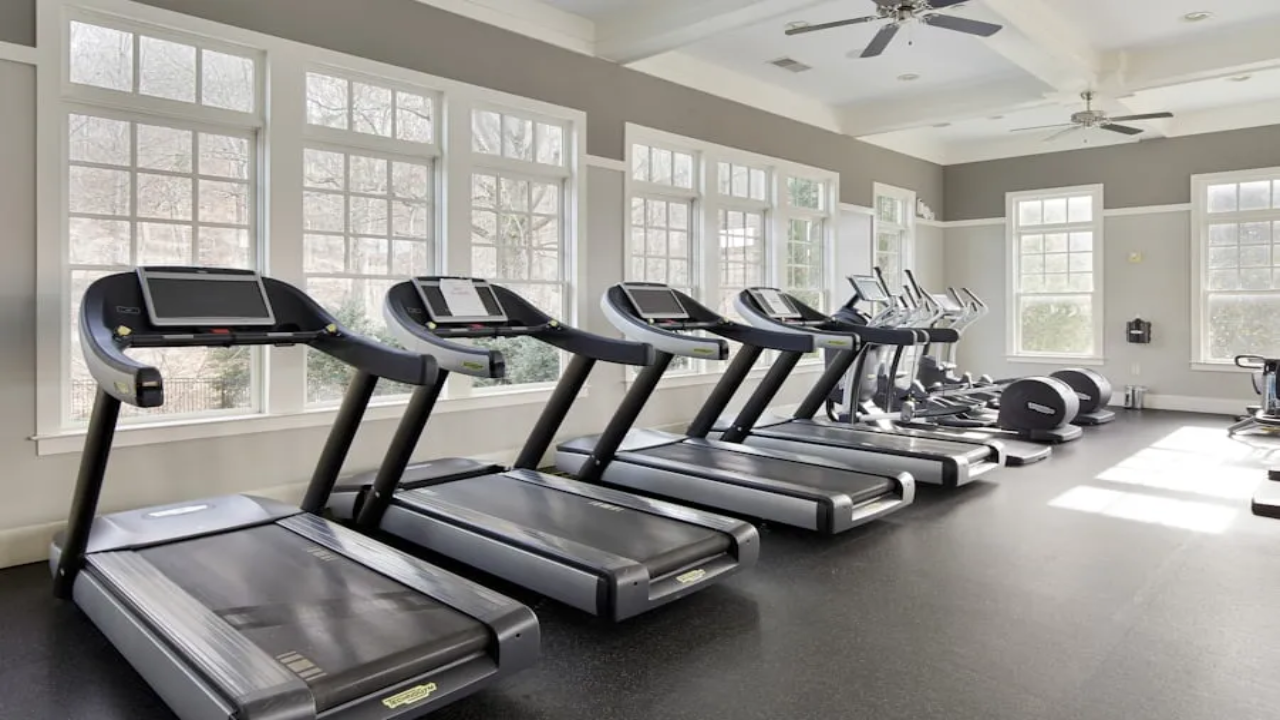
Introduction
Choosing a treadmill in the Emirates is not only a spec sheet exercise. Climate, air quality, tile-and-marble interiors, and utility math shape the right decision more than brand slogans. A suitable machine must deliver reliable minutes in air-conditioned rooms, stay quiet on hard floors, and map cleanly to goals such as weight management, 5K building, or incline-first conditioning. Motor quality, belt geometry, cushioning, and grade range determine training headroom. Footprint, fold height, and vibration control determine apartment fit. Electricity draw and standby habits determine monthly cost in dirhams.
The path to clarity is simple: start with the room, then the goal, then the running cost. Room realities define the noise plan and maximum dimensions. Goals translate into hard thresholds for belt size, speed, and incline. Cost confidence comes from minutes times watts, verified with a smart plug and converted through the local utility calculator. With those three filters, model choice becomes obvious and shopping time drops.
TLDR
-
Filter first by room and noise, then by goal, then by running cost.
-
Belt size, cushioning, CHP, and incline span drive training capability.
-
Dense mat, isolators, and corner placement keep hard floors quiet.
-
Minutes × watts → kWh → AED turns usage into a predictable monthly figure.
How to choose a treadmill for a UAE apartment
Three questions anchor the decision. First, does the frame fit the space and stay civil on tile or marble. A dense rubber base plus anti-vibration feet and corner-over-slab placement reduce structure-borne vibration. Ceiling clearance requires deck height plus stride headroom. Rear safety clearance is non-negotiable.
Second, what outcome is targeted. For brisk walking and weight management, cushioning quality and a 3 to 6 percent incline band matter more than top speed. For 5K to 10K progression, belt length near 140 to 152 centimeters and width around 50 centimeters give relaxed foot placement at training paces, while responsive CHP prevents surging during intervals. For joint-friendly calorie sessions, broad grade range raises metabolic cost at modest speeds.
Third, what cost profile is acceptable. Typical home use sits in the mid-hundreds of watts during steady efforts. Minutes multiplied by watts yield kWh, which can be translated to dirhams through the utility calculator. Lubricated belts, level decks, and powering down idle consoles keep draw in check. A smart plug with kWh logging replaces guesswork with data after a single representative week.
With this snapshot, shoppers can shortlist models by footprint and fold height, confirm belt and incline thresholds for the goal, then sanity-check running cost before checkout. That order prevents buyer’s remorse and keeps the chosen machine in steady use through the UAE summer.
Step 1: Room, placement, and noise control for UAE apartments
Hard surfaces transmit vibration efficiently, so isolation starts at the floor. A dense rubber mat under the frame absorbs impact energy; separate anti-vibration feet at contact points add compliance that tile and marble lack. Corner placement over a solid slab shortens transmission paths compared with mid-room setups on suspended floors. Leveling bolts remove deck rock. Transport wheels should sit clear of the mat during use to avoid chatter.
Spatial math matters. Measure door widths, elevator depth, and hallway turns before delivery. In the room, reserve rear clearance for safe dismounts and check ceiling height by adding deck rise and the tallest runner’s stride. Folding frames reclaim area between sessions, but lift-assist mechanisms still need front access.
Power and airflow complete the setup. A grounded outlet with surge protection safeguards consoles. Cable covers prevent snags near belt edges. A compact fan aimed toward the console lowers perceived effort at the same belt speed, which indirectly trims noise by discouraging unnecessary speed bumps. Routine hygiene keeps sound stable: quick dust wipes along rails and motor hood, monthly belt-centering checks, and periodic lubrication when the manual recommends it.
Timing etiquette reduces neighbor friction. Early evening use typically fits residential expectations better than very late slots. Cadence coaching helps: softer, quicker steps lower peak forces and belt slap. With isolation, placement, and behavior aligned, the treadmill reads as a considerate appliance, not a disturbance, which protects adherence during long heat and dust cycles.

Step 2: Translate goals into spec thresholds
Goal clarity turns specs into decisions. For brisk walking and weight management, belt cushioning and incline authority take priority. A belt near 140 to 152 cm long and 50 cm wide gives relaxed foot placement from day one. A stable chassis with a quiet drive and continuous horsepower in the mid range prevents surging on gentle hills. Quick keys that jump to common speeds and grades keep sessions simple, while handrails with a firm, neutral grip support balance during early progressions.
Run training for 5K to 10K introduces tighter thresholds. A deck length toward the upper end of 140 to 152 cm, width near 50 to 55 cm, and a top speed in the 18 to 22 km/h band provide headroom for intervals and controlled tempo. Motor quality matters more than peak numbers; look for consistent acceleration at set paces and minimal belt lag when grade changes. Console responsiveness, clear telemetrics, and chest-strap friendly heart rate pairing improve pacing control.
Incline-first, joint-friendly calorie sessions favor broad grade range and smooth transitions. Grades up to 12 percent cover most indoor hill work, while higher ranges suit hiking simulation at lower belt speeds. A planted frame, reliable cooling fan position, and transport wheels that lift off the mat during use help keep noise contained in apartments.
Compact spaces shift emphasis to fold height, footprint, and lift assist. A gas or hydraulic aid reduces effort when stowing, and transport wheels simplify repositioning. Console clarity outranks sheer screen size, and weight capacity should exceed expected user mass with margin for long-term durability. Local service coverage and spare parts availability round out reliability in dusty interiors.
Step 3: Effort realism and programming
Effort realism ties settings to physiology. At common training speeds, a slight incline often approximates calm-day outdoor cost during steady runs. Very easy walks can remain flat without losing intent. Faster tempo blocks may feel more honest at one to two percent. The aim is not perfection, but repeatable intensity that maps to clear goals.
Programming flows from FITT-VP logic. Frequency is the weekly count, intensity comes from speed or grade, time equals session minutes, type is walking or running, progression is a small change every one to two weeks. Intervals demand accurate speed control and quick incline response. Look for consoles with one-touch jumps and auto-adjust options that change settings smoothly. Tempo work benefits from stable belt speed, legible pacing, and a cushioning system that keeps tibial shock predictable. Incline blocks raise energy cost at modest speeds, which suits joint-sensitive plans and late-evening apartment use.
Telemetrics anchor pacing. Heart rate straps, cadence prompts, and lap controls help manage effort drift in air-conditioned rooms. For beginners, conversational breathing guides moderate sessions, and short phrases mark controlled hard efforts. For time-pressed professionals, two vigorous sessions of 25 to 35 minutes plus one longer brisk incline walk can meet guideline minutes. Masters runners often split quality between indoor intervals and steady aerobic work, reserving outdoor slots for cool mornings when air quality cooperates.
Effort realism is preserved by a small fan aimed across the deck, which lowers perceived strain at the same mechanical workload. With a consistent routine, the machine transitions from equipment to metronome, where speed, grade, and recovery windows repeat as planned across the UAE calendar.
Step 4: Running costs without guesswork
Operating cost becomes predictable with one formula. Kilowatt-hours equal average watts multiplied by hours, divided by 1000. Session minutes multiplied by typical draw produce a weekly figure that rolls into a monthly estimate. A smart plug with kWh logging supplies a real baseline after a representative week. That number, entered into the local utility calculator, returns the current cost in dirhams with slab logic applied.
Illustrative ranges clarify planning. Steady walking on a lubricated, centered belt often sits in the lower hundreds of watts. Brisk running or steep grades can climb into the mid to higher bands. Console screens and fans add modest overhead, while dry belts raise friction and consumption. A simple workflow helps households compare routines. Log minutes for brisk incline walking versus flatter, faster sessions. Collect average watts for each. Convert both to kWh and then to AED. Choose the plan that best balances goals and budget.
Several habits trim draw without shaving results. Keep the belt aligned and lubricated per the manual. Position a small fan to maintain comfort so belt speed does not creep upward. Dim idle screen brightness and power down after sessions to eliminate standby drip. Use incline to raise stimulus at moderate speeds rather than chasing high belt numbers. Group longer sessions on days when household cooling is already running. Cost visibility reduces second-guessing and preserves adherence during long heat cycles.
When comparing modalities, remember intent. Exercise bikes typically consume less electricity but provide less weight-bearing stimulus. A well kept treadmill, placed correctly and budget-tracked through kWh, delivers joint-aware calorie work, structured intervals, and steady progress that fits UAE apartments.
Conclusion
Selection quality improves when the purchase follows three filters in order: room and noise, training intent, then running cost. Room realities on tile or marble set the isolation stack and maximum footprint. Intent turns abstractions into thresholds for belt geometry, cushioning, motor responsiveness, and incline span. Cost certainty arrives from minutes times watts, validated by a smart plug and converted to dirhams through the utility calculator. With these filters, a treadmill becomes a reliable fixture that survives the UAE calendar, delivering steady minutes during heat, humidity, and dust cycles.
Model mapping is straightforward once thresholds are clear. Interval-focused residents gravitate to NordicTrack Commercial 1750 or 2450. Balanced training and walk-to-jog progressions align with Commercial 1250 or X16. Incline-first conditioning suits Elite X24i. Compact rooms benefit from T Series 10, 8, or 7 and Commercial LE Folding, while price-sensitive buyers can review ProForm Carbon TLX and Pro 2000. Inventory and specifications are consolidated for quick comparison at the Sea Wonders. A measured setup and a consistent program convert the purchase into weekly progress.
FAQ
Q: What belt size suits walking-to-jog progressions in apartments?
A: A belt length near 140–152 cm with a width around 50 cm supports relaxed foot placement for brisk walking and early jog intervals on compact decks.
Q: Is a slight incline required for steady running indoors?
A: A small grade near 1% commonly approximates calm-day outdoor effort at steady running speeds. Very easy walking can remain flat; faster tempo segments may feel appropriate at 1–2%.
Q: How much motor power is practical for home use?
A: Continuous-duty ratings in the mid range with stable acceleration handle daily walking and early running without surging. Responsiveness at set speed and grade changes matters more than peak numbers.
Q: Can late-evening sessions stay neighbor-friendly on tile or marble?
A: Dense rubber matting plus anti-vibration feet, corner-over-slab placement, leveled feet, and softer, quicker steps reduce structure-borne vibration to residential expectations.
Q: What raises monthly electricity cost the most?
A: Higher belt speeds, steep grades, dry or misaligned belts, and bright, always-on consoles. Lubrication, alignment, fan cooling, and powering down after use lower draw.
Q: How to estimate AED per month for typical sessions?
A: kWh = average watts × total hours ÷ 1000, then enter kWh into the local utility calculator. A smart plug supplies real watts for a representative week.
Related Blogs


Bose SoundLink Bluetooth Speaker
£50.00£60.00
Canon's press material for the EOS 5D states that it 'defines (a) new D-SLR category', while we're not typically too concerned
- Availability :In Stock